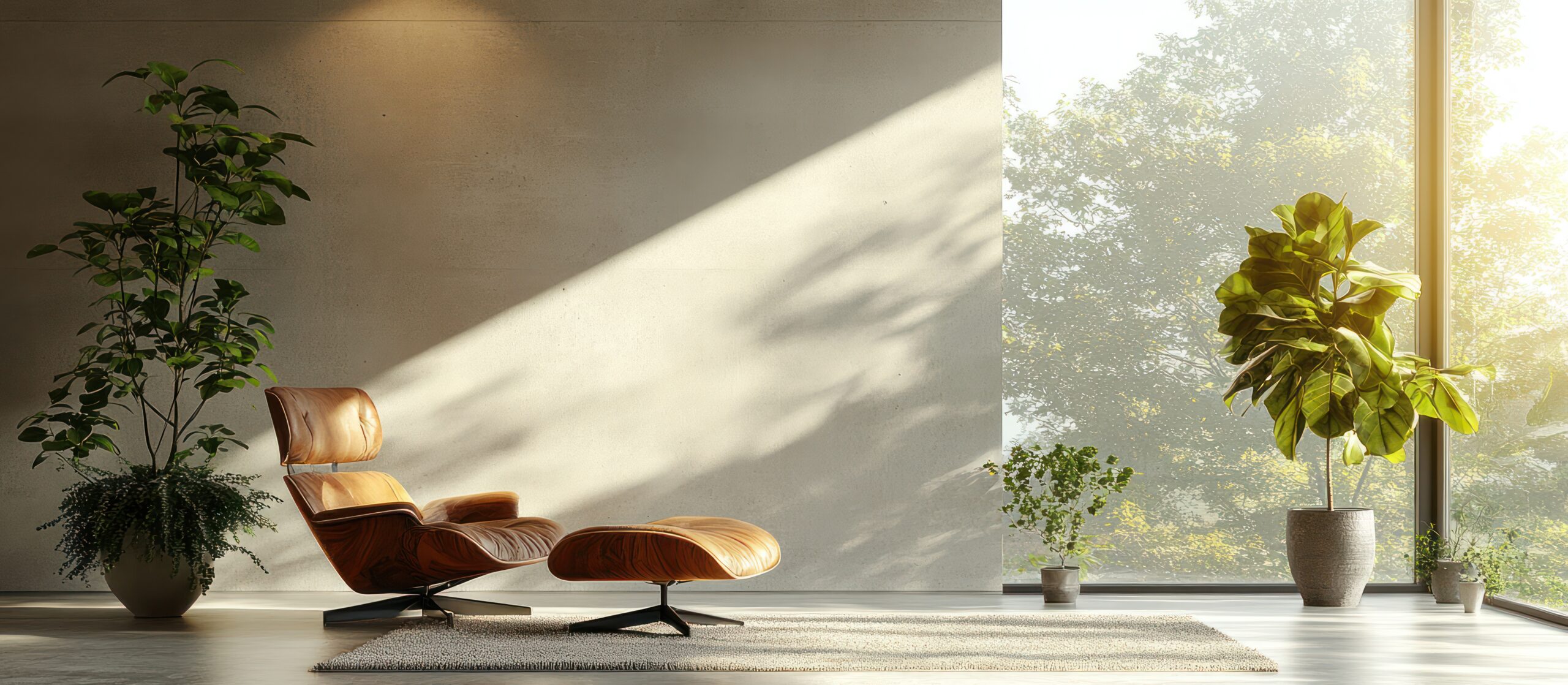
Some homes wake you up before your alarm does.
Others leave you reaching for coffee by 9 a.m.
The difference often isn’t your routine, it’s the way the building is designed.
Light That Sets the Mood
Natural light does more than brighten a room. It quietly tells your body what time it is, when to focus, and when to slow down. Homes designed to welcome daylight feel different from the moment you step in. Mornings feel clearer. Spaces feel open. Even ordinary tasks feel easier when the light is right.
It’s not about large windows alone, it’s about how light moves through a space during the day, changing with the hours and creating a rhythm you subconsciously follow.
Air You Don’t Notice (And That’s the Point)
Good ventilation is invisible when it works. Fresh air flows in, warm air escapes, and rooms never feel heavy or stale. You breathe easier, think clearer, and feel less drained; without ever stopping to wonder why.
Poor ventilation, on the other hand, makes itself known quickly. The room feels closed in. Fatigue sets in faster. Thoughtful design prevents this by allowing homes to breathe naturally, keeping energy levels steady throughout the day.
When Spaces Flow, So Do You
Layout flow decides how effortlessly you move through your home. When rooms connect intuitively, daily routines feel smoother. You don’t bump into corners, squeeze through awkward passages, or mentally adjust to the space.
The best layouts guide movement without demanding attention. Living, working, resting, each activity finds its place without friction.
Design That Supports Focus and Rest
Well-designed homes create natural zones. There’s a sense of separation between where you concentrate and where you unwind. This helps the mind switch gears more easily, improving both productivity and relaxation.
You don’t feel the design working, you feel the absence of resistance.
Energy Isn’t Just Physical
At the end of the day, architecture influences more than comfort. It affects how calm you feel, how quickly you recharge, and how present you are in your own space. Good design doesn’t impress loudly, it supports quietly.
In cities that never slow down, homes need to do the opposite. Thoughtful architecture doesn’t just shape buildings; it shapes how people feel every day they live inside them.