Amenities are easy to list.
Swimming pool. Gym. Lounge. Garden.
But living with them is a very different story.
The real question isn’t how many amenities a building has, it’s which ones quietly become part of everyday life.
The Difference Between Impressive and Useful
Some amenities are designed to be admired. Others are designed to be used. The difference shows up over time. Spaces that are hard to access, poorly placed, or disconnected from daily routines slowly fade into the background.
Useful amenities, on the other hand, don’t demand effort. They sit naturally along the rhythm of the day, a gym you pass on your way back home, a walking path that fits into your evening routine, a common space that feels welcoming rather than formal.
When Design Reduces Friction
Well-integrated amenities don’t feel like destinations. They feel like extensions of home. A reading corner that catches natural light. A green space that invites short breaks, not long planning. A workspace that supports focus without feeling corporate.
When design reduces friction, usage increases, without anyone being told to use the space.
Quality Over Quantity
More amenities don’t always mean better living. In fact, too many features can create visual and mental clutter. Thoughtful projects focus on fewer, better-designed spaces that adapt to multiple needs rather than single-purpose facilities that sit empty.
It’s not about abundance. It’s about relevance.
Supporting Routines, Not Replacing Them
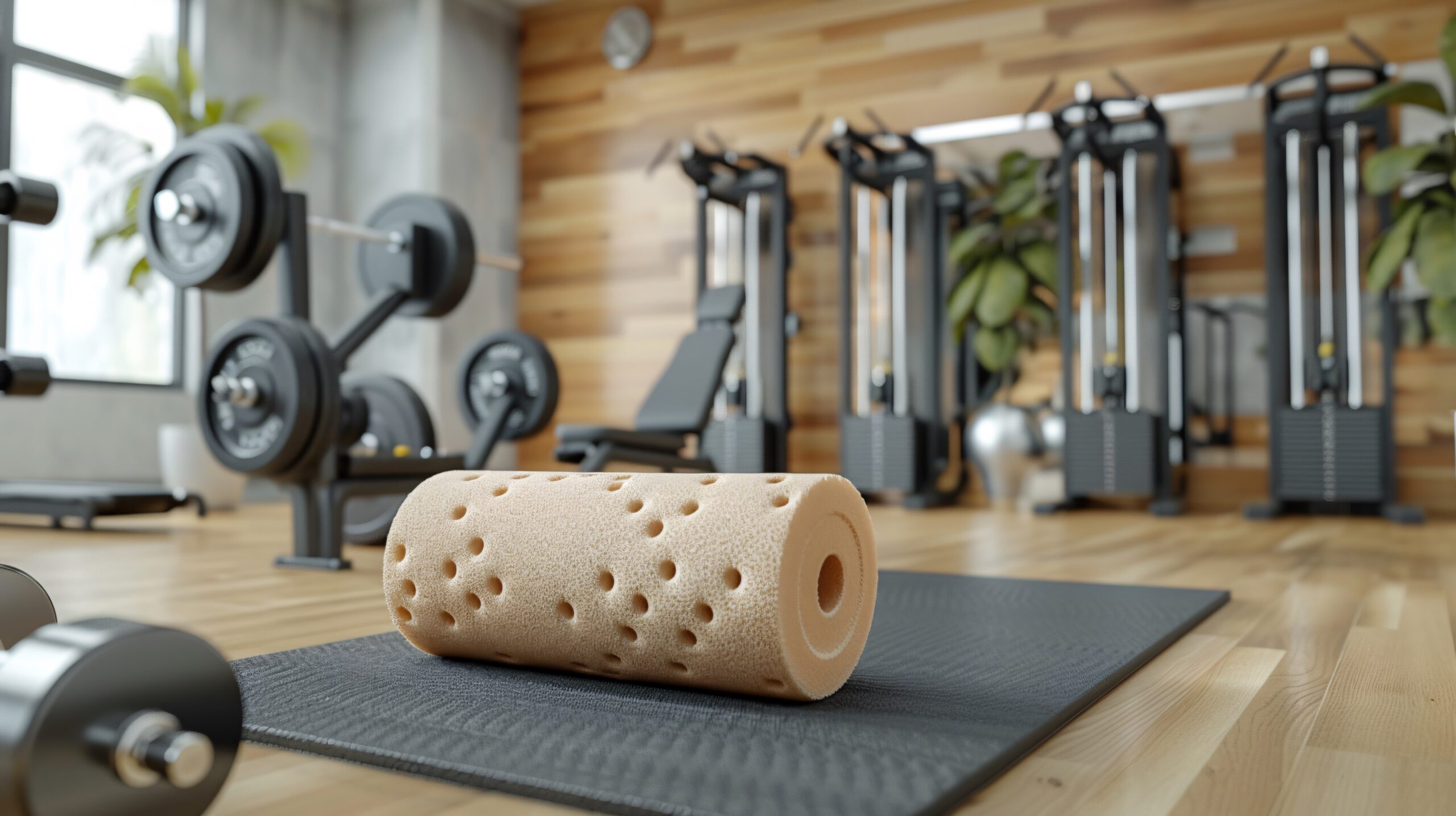
The best amenities don’t try to change how people live. They support existing habits. A fitness area that fits into short workouts. Seating spaces that encourage casual conversations, not formal gatherings. Children’s zones that are visible, safe, and easy to access.
Life flows better when amenities work around routines instead of interrupting them.
The Quiet Impact on Lifestyle
Over time, well-designed amenities influence behaviour subtly. Residents move more. Step outside more often. Interact naturally. Without realizing it, daily life becomes healthier, calmer, and more connected.
That’s when amenities stop being selling points and start becoming lifestyle support systems.
In evolving urban homes, true luxury isn’t about adding more, it’s about designing smarter. When amenities are thoughtfully placed and genuinely useful, they disappear into daily life. And that’s exactly when they matter most.